
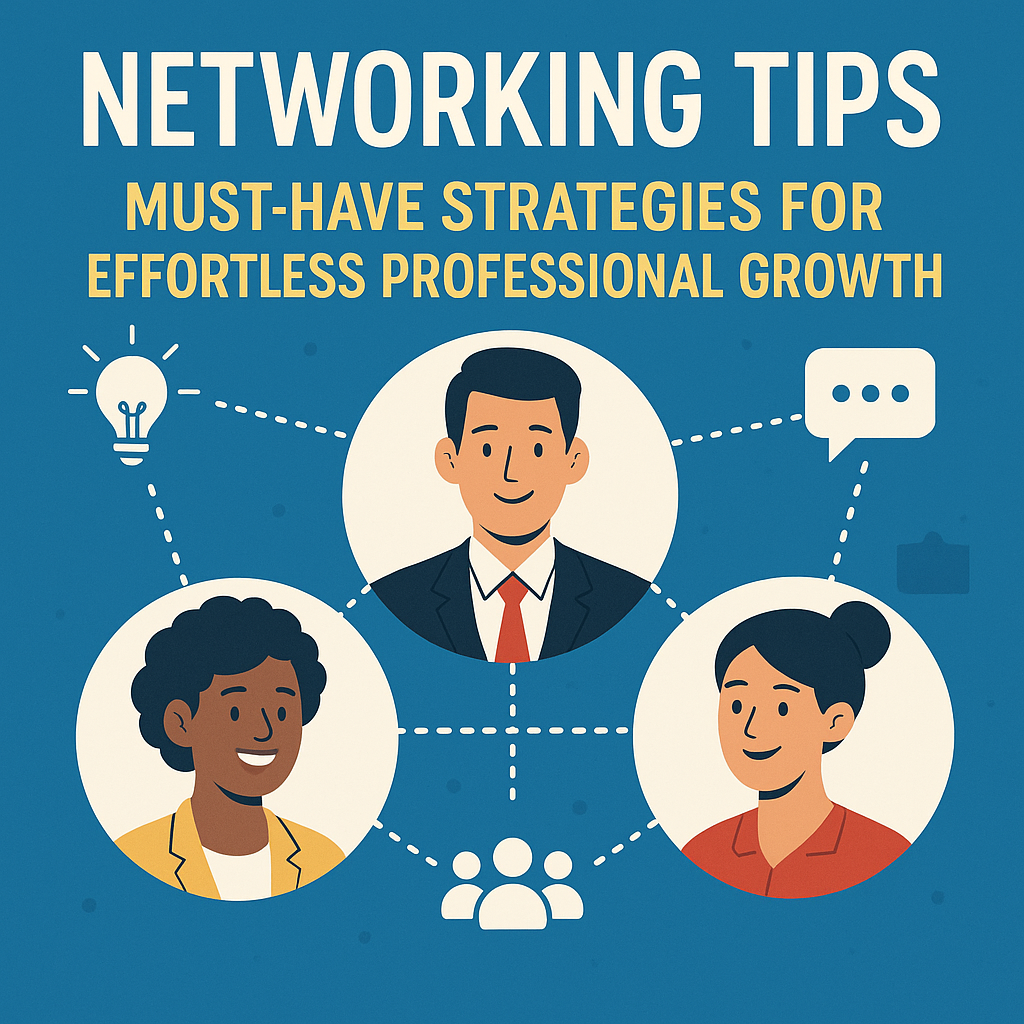
Networking Tips: Must-Have Strategies for Effortless Professional Growth
How to Improve Your Network of Contacts (Networking) in a Professional Environment

Building and enhancing your network of contacts is a vital skill for career growth and professional success. Whether you’re just starting out or are an established professional, cultivating relationships with colleagues, mentors, and industry peers opens doors to new opportunities, knowledge, and collaborations. Improving your networking abilities involves strategic engagement, genuine communication, and consistent follow-up. This article explores practical steps to help you expand and strengthen your professional network effectively.

Understanding the Importance of a Strong Network
Before diving into how to improve your network of contacts, it’s important to understand why it matters. A robust professional network provides support during job searches, offers valuable advice, and increases your visibility in your field. Networking isn’t just about collecting business cards or LinkedIn connections; it’s about building meaningful, mutually beneficial relationships.

Tips to Improve Your Network of Contacts in a Professional Environment
-
Be Intentional About Networking
Focus on quality over quantity. Identify individuals who align with your career goals, values, and interests. Attend industry-specific events, seminars, or conferences where you can meet people relevant to your profession. Instead of trying to connect with everyone, approach networking with clear intent and purpose. -
Develop Your Communication Skills
Effective networking hinges on strong communication. Practice active listening, ask thoughtful questions, and express genuine interest in others’ work. When introducing yourself, be concise yet memorable by highlighting your skills and interests. Good communication builds trust and lays the foundation for lasting relationships. -
Leverage Online Networking Platforms
LinkedIn is one of the most powerful tools for professional networking today. Maintain an up-to-date profile with a professional photo, detailed work experience, and a compelling summary. Engage with posts, join industry groups, and reach out with personalized connection requests. Online platforms let you connect with people beyond your immediate geographic area. -
Attend Networking Events and Join Professional Organizations
Participating regularly in networking events, workshops, and industry meetups allows you to meet new contacts and stay current with trends in your field. Joining professional associations offers access to exclusive events and resources that can enhance your career development and expand your contact list. -
Offer Value Before Asking for Favors
Successful networking is a two-way street. Look for opportunities to help others by sharing information, making introductions, or offering your expertise. When you provide value to your network, people are more likely to support you when you need assistance or opportunities in return. -
Follow Up Consistently
Making initial contact is just the beginning. Following up with new connections via email or LinkedIn messages reinforces your interest in maintaining the relationship. Reference the context in which you met and suggest ways to stay in touch, such as scheduling a coffee chat or sharing relevant resources. -
Maintain and Nurture Your Existing Contacts
Improving your network also means strengthening current relationships. Regularly check in with your contacts by sending updates, congratulating them on achievements, or sharing useful articles. Consistent engagement prevents connections from going cold and demonstrates your investment in the relationship. -
Be Authentic and Genuine
Networking is most effective when you are genuine. People appreciate sincerity and are more open to connecting with someone authentic rather than overly formal or salesy. Show your true personality and be honest about your goals and interests, which helps build rapport and trust. -
Set Networking Goals and Track Progress
Like any skill, networking improves with practice and planning. Set specific goals such as attending two networking events per month, connecting with three new professionals weekly, or scheduling monthly catch-ups with existing contacts. Track your progress and adjust strategies based on what works best for you. -
Develop a Personal Elevator Pitch
Having a concise and compelling introduction ready helps in networking situations. Your elevator pitch should briefly cover who you are, what you do, and what you’re looking for professionally. A well-crafted pitch makes a strong first impression and encourages further conversation.
Overcoming Challenges in Networking
Many professionals find networking intimidating or time-consuming. To overcome these challenges, start with small steps like engaging in online discussions or reconnecting with former colleagues. Focus on building genuine relationships rather than simply expanding your contact list. Remember, networking is a long-term investment in your career.
Conclusion
Improving your network of contacts in a professional environment requires more than just attending events and exchanging business cards. It involves intention, communication, authenticity, and consistent effort. By cultivating relationships that are meaningful and mutually beneficial, you build a foundation for career growth and professional success. Start implementing these strategies today to expand your network and unlock exciting opportunities in your industry. #MichaelAForman.com